When Your Brain is on Full Drain
Part of our 10 for when series:
BURNOUT
If you’re down for the count, we’ve been there, and there are ways to get back up… eventually.
Here are some resources for when you’ve crashed out, want to avoid the potential altogether, or see someone struggling around you.
"Why am I always exhausted, even after I've slept or had a day off?"
“I can't take time off. There's just too much to do."
“I'm too busy to eat right now. I'll deal with it later."
“Why doesn't anyone recognize how hard I'm working?"
If any of these thoughts sound familiar, you're not alone.
They don't automatically mean you're experiencing burnout, but they can be important signals that prolonged stress is beginning to take a toll on your mental, emotional, and physical well-being.
Burnout has become increasingly common. A 2025 study by learning platform Moodle found that 66% of American employees reported experiencing burnout. That's more than half the workforce, and it only reflects workplace burnout. Many people also experience burnout related to caregiving, parenting, relationships, discrimination, financial stress, or managing multiple responsibilities at once.
The good news is that burnout is recognizable, treatable, and recovery is possible.
10 for When is a monthly series dedicated to one mental health topic at a time, offering ten practical resources you can save, share, and return to whenever you need them most.
This month’s focus: Burnout
What is Burnout?
According to the National Head Start Association, burnout is "a state of emotional, physical, and mental exhaustion caused by excessive and prolonged stress."
The World Health Organization classifies burnout as an occupational phenomenon, meaning it specifically relates to chronic workplace stress that has not been successfully managed. At the same time, many clinicians and researchers recognize that prolonged stress in other areas of life can produce similar patterns of emotional exhaustion, detachment, and reduced functioning.
Sources of chronic stress that can contribute to burnout include:
Work
Caregiving
Parenting
Relationships
Financial strain
Systemic racism
Systemic oppression
Systemic discrimination
Identity-based stress
While everyone's experience is different, burnout often develops gradually rather than all at once.
Signs and Symptoms of Burnout
Burnout doesn't always look like simply being tired.
It can affect the way you think, feel, and function across nearly every area of life.
Common signs include:
Emotional exhaustion
Chronic fatigue that doesn't improve with rest
Difficulty sleeping
Irritability
Anxiety
Feeling emotionally detached or numb
Cynicism or loss of motivation
Difficulty concentrating
Feeling hopeless or empty
Hypervigilance
Constantly managing how you're perceived
One of the defining features of burnout is persistence. These experiences don't simply come and go after a weekend off. They often continue because the underlying stress remains.
If you're unsure whether you're experiencing burnout, HelpGuide offers additional information about recognizing burnout in yourself.
The common thread connecting these experiences is depletion.
Eventually, the emotional and physical energy required to keep pushing forward becomes difficult to sustain. Activities that once felt manageable begin to feel overwhelming, and even basic daily tasks can require tremendous effort.
A Personal Experience
For me, burnout felt like drowning.
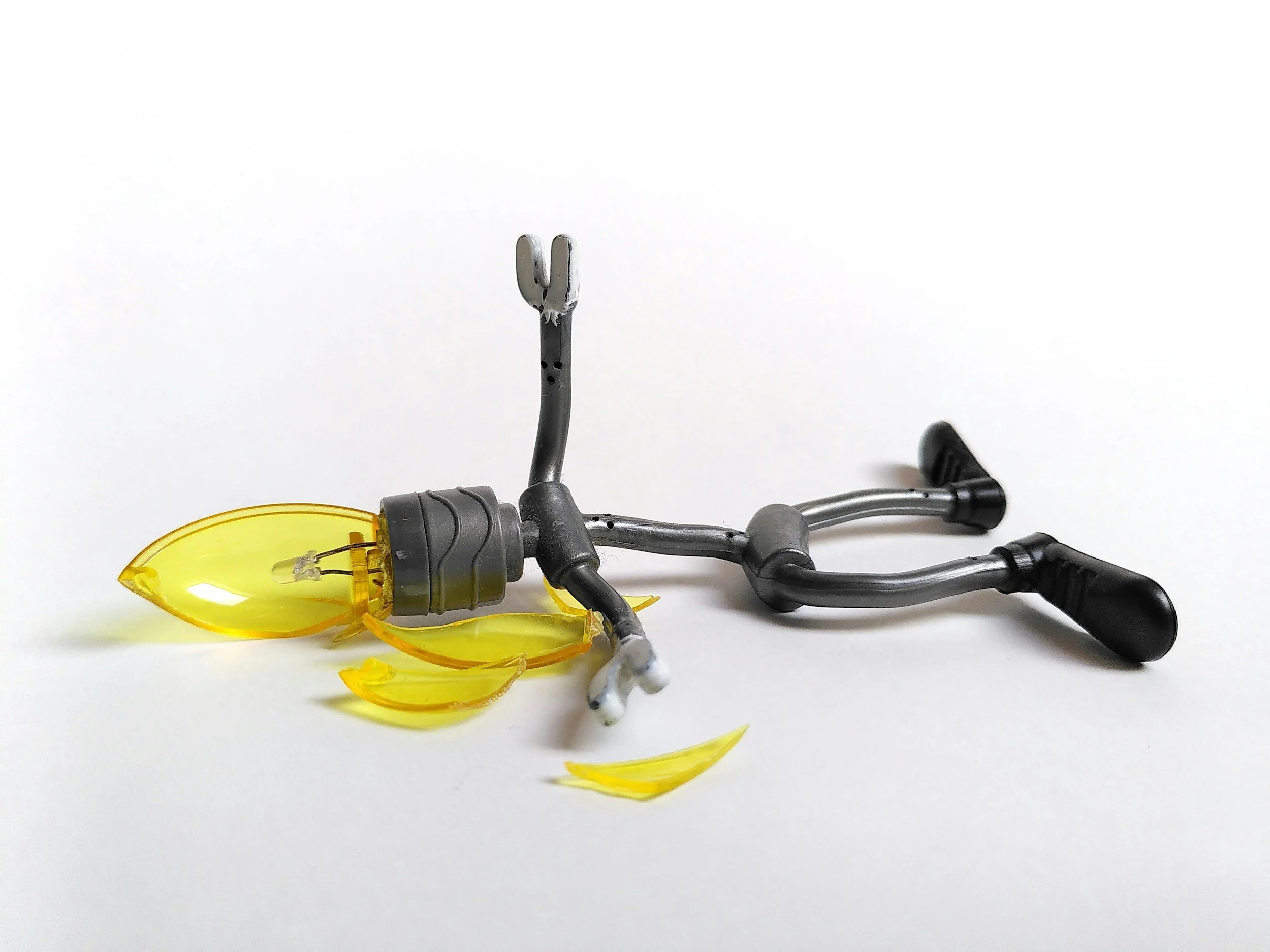
I constantly felt underwater, unable to see a way forward. After work, I'd sit on my couch and repeatedly picture myself collapsing onto the floor. It wasn't something I wanted to happen, but an image my mind kept returning to, almost as if it was trying to communicate just how depleted I had become.
Working with a therapist helped me finally acknowledge what I was experiencing. I realized that recovering wasn't going to come from working harder or waiting until I had more energy. It required meaningful changes to the way I was living.
Those changes weren't easy, but they were absolutely worth making.
If you'd like to read more about my experience, you can find it here: Am I Experiencing Burnout?
Burnout Recovery Is Possible
According to Emily and Amelia Nagoski, authors of Burnout: The Secret to Unlocking the Stress Cycle, connection and self-compassion are powerful antidotes to burnout.
Similarly, the National Head Start Association describes healthy engagement as being able to experience stress while still functioning across important parts of life, including work, relationships, hobbies, self-care, and home life.
Recovery doesn't mean eliminating stress completely.
It means rebuilding enough physical, emotional, and social capacity to navigate life's challenges without remaining in a constant state of depletion.
Because burnout affects multiple parts of life, recovery is often most effective when approached holistically.
How to Recover From Burnout
There isn't one treatment that works for everyone. Recovery depends on your circumstances, available resources, and the factors contributing to your burnout.
Helpful strategies may include:
Working with a therapist or trusted support person
Prioritizing consistent, restorative sleep
Eating regular, nourishing meals
Engaging in gentle or restorative movement
Identifying the primary sources of stress
Reducing or removing stressors where possible
Taking meaningful time away from work or caregiving responsibilities
Strengthening supportive relationships
Practicing self-compassion instead of harsh self-criticism
Recovery takes time.
For some people, improvement happens over several weeks. For others, it may take months or longer, especially if burnout has been present for an extended period.
If you'd like to learn more, you can read about the Burnout Recovery Timeline here.
Burnout in Marginalized Communities
Burnout does not occur in a vacuum.
For many people, chronic stress is shaped not only by workload but also by systemic barriers and identity-based experiences.
As Wove Therapy explains:
"Capitalism and white supremacy co-create a sense of urgency, meshing self-worth and identity with employment. Poverty is perceived as a moral failure instead of a deliberate structural outcome, leaving people to experience cycles of shame, overwork, and burnout for the promise of social mobility and financial security."
According to Diversity.com, employees from marginalized backgrounds may experience additional forms of burnout related to:
Code-switching
Being the only person from their identity group in a workplace
Navigating microaggressions
Feeling pressure to represent an entire community
Constantly managing how they are perceived
These experiences can create chronic psychological strain that requires equally thoughtful and culturally responsive support.
Kind Mind Psych highlights approaches that may be especially helpful, including care from clinicians trained in:
Race-based stress
Cultural identity
Trauma-informed therapy
EMDR
Cognitive Behavioral Therapy (CBT)
Dialectical Behavior Therapy (DBT)
Internal Family Systems (IFS)
Psychodynamic approaches, including attachment-based work
All Well Therapy also recommends practical healing strategies such as:
Micro-rest throughout the day
Setting healthy boundaries
Building safe community connections
How to Prevent Burnout
If you're noticing early warning signs, there are meaningful ways to intervene before burnout becomes more severe.
Prevention strategies include:
Setting realistic boundaries
Protecting time for rest
Eating regularly and staying physically active in ways that feel sustainable
Limiting unnecessary exposure to chronic stress
Delegating responsibilities when possible
Saying no when your capacity is full
Building supportive relationships
Scheduling regular breaks before reaching exhaustion
Maintaining hobbies and interests outside of work
Receiving appropriate support for existing mental health conditions such as anxiety, ADHD, or OCD
(You can find more resources for many of these stressors in previous 10 for When collections.)
Supporting Someone Experiencing Burnout
If someone you care about is experiencing burnout, your presence can make a meaningful difference.
Helpful ways to support them include:
Listening without judgment
Validating their experience
Avoiding the urge to immediately "fix" the situation
Encouraging rest when appropriate
Exploring professional support together if they're interested
Respecting their boundaries and energy levels
Sometimes feeling understood is more restorative than receiving advice.
Reframing Burnout Thoughts
Recognizing burnout doesn't immediately change your circumstances, but it can create space to respond differently.
Instead of... Why doesn't anyone recognize how hard I'm working?
Try... I recognize how hard I'm working, and it feels unsustainable. Something needs to change.
Instead of... I can't take time off. There's too much to do.
Try... Taking time to recover will help me sustain what matters most.
Instead of... I'm too busy to eat right now.
Try... Supporting my body is part of supporting my mental health.
Instead of... Why am I always exhausted, even after I've rested?
Try... My exhaustion deserves attention. It may be time to seek additional support.
These reframes aren't about pretending everything is okay.
They're about responding with honesty instead of self-criticism.
Recovery often begins by noticing what consistently drains your energy, what genuinely restores it, and giving yourself permission to move a little closer to what helps.
Small moments of relief may not solve everything overnight, but over time they can become part of a healthier, more sustainable way of living.
if you’re struggling with BURNOUT - view our list of 10 for When.
10 for When is your go-to swipe sheet of tools, resources, and support for the moments when the hard stuff shows up, because it will. Consider this your standing invitation to be a little more ready than you were yesterday.
Disclaimer: This blog is not meant as professional advice or counseling. If you are in emotional distress or experiencing thoughts of harm to yourself or others, help is available 24/7:
If in crisis, call 988
Text HELLO to 741741 to connect with a Crisis Text Line counselor
Call the National Suicide Prevention Lifeline:
1–800–273–8255 (TALK) Spanish & English
Deaf & Hard of Hearing TTY 800–799–4889
Call 911
If you need mental health treatment but cannot afford it, contact Rise Above The Disorder, a 501(c)(3) non-profit dedicated to making mental health care accessible to everyone: YouAreRAD.org