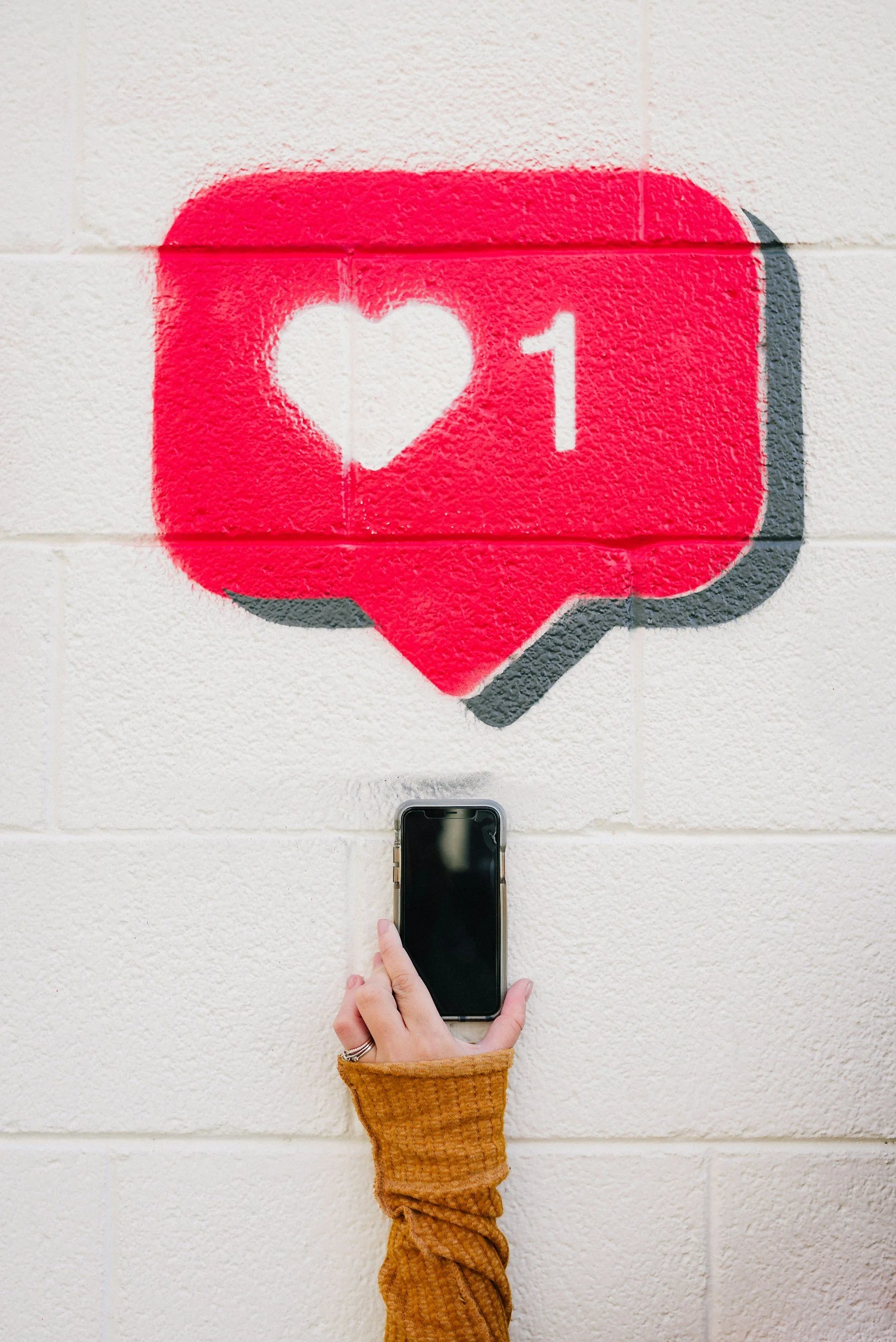
When Social Media Follows You Offline
Part of our 10 for when series:
social media
For anyone who needs social media in their life, and wants to use it without losing themselves — a companion guide for when what you see online starts affecting how you feel in real life.
Should we or shouldn’t we use social media?
If you’re anything like me – someone who is not just using it for work, but also as a creative outlet, and a means of connecting with people – it’s not really an option not to.
With billions of people using social media worldwide, in this day and age the real question becomes — how can I, and come out okay on the other side?
Similar to all things we enjoy, moderation is key, and it’s important that we interact with social media in a way that is both safe and healthy. In order to do that it helps to understand what social media is, and more importantly what it isn’t.
10 for When is a monthly series dedicated to one mental health topic at a time, offering ten practical resources you can save, share, and return to whenever you need them most.
This month’s focus: SOCIAL MEDIA
The Pros and Cons
Social media is multi-faceted - it is not simply a means of having social interactions through various media sources but also provides an array of functions that can enhance our lives, and it can be a really valuable tool. Some people make their entire living off of it.
Social media can increase our access to education and information shared not just by companies and organizations, but also by individuals providing their own experiences. Social media can allow users to connect with other people all over the world based on shared interests, likes, and dislikes. It can be used as an income and marketing source for businesses and creators, and it can also provide a much needed escape from our own lives by providing unlimited access to entertainment.
Because of the use of algorithms, which are designed to continuously provide content the user will inherently want to engage with, it is also something that we can easily overconsume. Social media often provides the illusion of connection and intimacy while seemingly isolating its users, and creating a false sense of reality that can be very hard to disconnect from - and from what we see as a source of value. When we constantly view altered images and highlight reels, and when we use it as our only source of external validation, we can easily become dissatisfied in our own lives. We might look to it to solve our problems, and we might not notice when it's creating new ones. It is also a space where inauthentic, unrealistic, misinformed, misguided, and damaging content is shared at a speed and frequency we've never seen as humans before, to tragic ends at times.
But it’s not going anywhere.
Managing our Social Media Use
Since social media is unlikely to inherently change, and for many people, it’s not an if, but a when, we use social media, we can equip ourselves with resources to avoid some of the problems social media users can face. We can check-in with ourselves, monitor our relationship to social media, what we make things mean that we see on social media, and learn how best to interact with it in a way that is beneficial and feels manageable, healthy, and boundaried. This looks like noticing how much time you’re spending on social media, and noticing when you’ve experienced anxiety, pain, or sadness after consuming content, and then adjusting accordingly.
Your social media content is personalized to you based on what you typically look at, search for, and engage with.
You technically have the power in this dynamic, if you know how to use it.
You can block words, phrases, and ads based on what you actually want to see,
You can reset your algorithms as a refresh,
and you can log out and/or delete the app when it’s feeling problematic.
There are even apps and devices like Brick and Screen Zen and that help you to reduce your overall screen time and social media use.
When Challenges Arise
As with most stressors, challenges will still be there. We can do all of the things and we will likely still end up dealing with the negative effects of social media. The good news is, because social media has been around for a while, we have plenty of tools and resources to address these pitfalls, most commonly including:
Mental Health Struggles such as anxiety and depression
Addiction
Filters & Unrealistic body types and features
Fomo (Fear of Missing Out)
Cyberbullying/Online harassment
Highlight Reels fueling unrealistic comparisons
Social Currency (treating online engagement as a measure or reflection of status)
While these issues are the most common, it's important to recognize that issues with social media, in general, are common.
So instead of aiming to be a perfect social media user, it can be helpful to accept that, at some point, you will likely face one of these issues, and be prepared to deal with them when they arise.
It can be hard to admit when something is problematic in our lives, even when it’s not our fault, but more when we feel like it is — like when you’re the one opening the apps over and over. It can also feel like saying we have a problem with something like social media out loud gives the problem life, or makes it more real. In reality saying things out loud to people that we trust, or even to ourselves, can help us to move past the shame and face the things we need to in a proactive way.
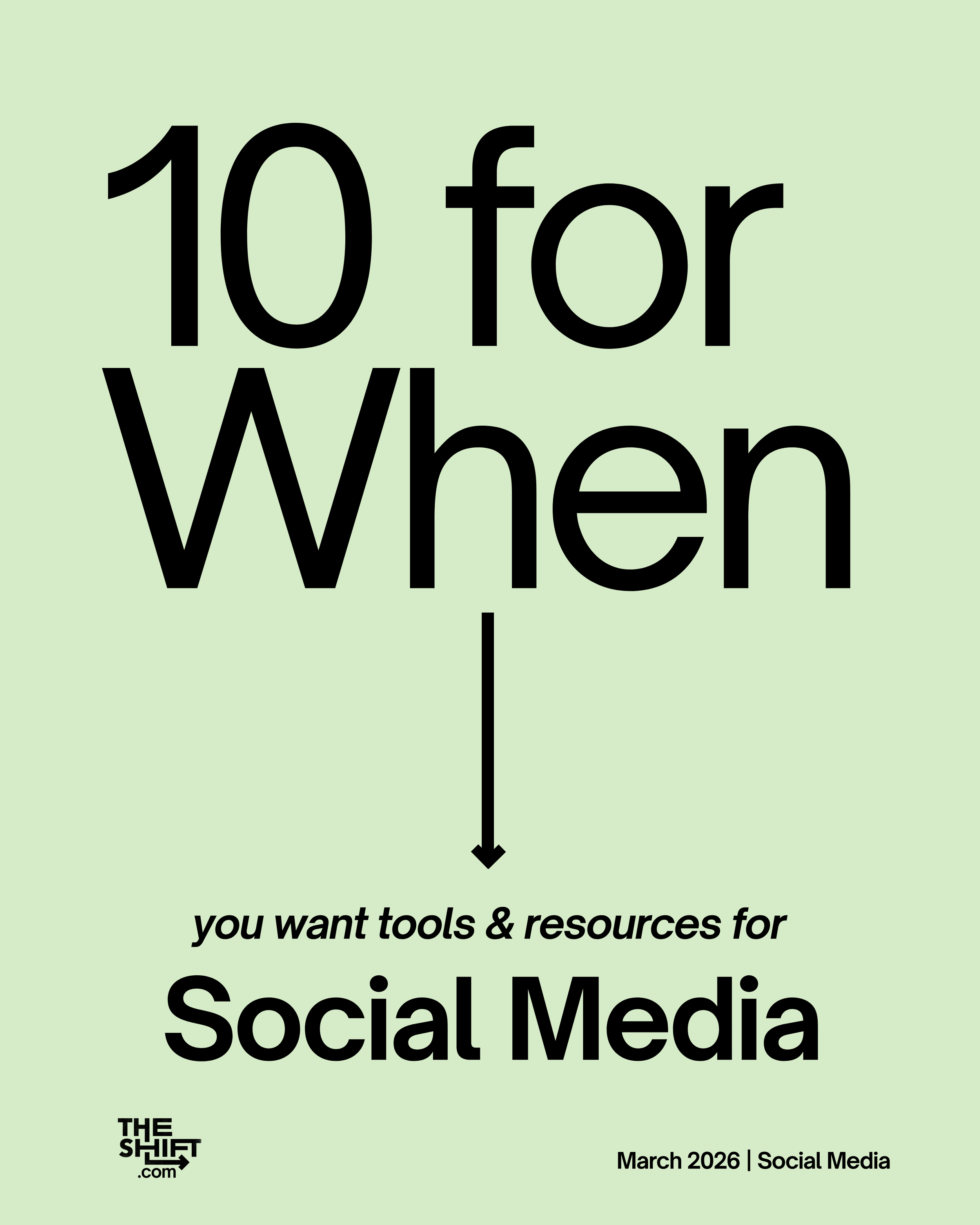
if you’re struggling with social media, view our list of 10 for When.
10 for When is your go-to swipe sheet of tools, resources, and support for the moments when the hard stuff shows up, because it will. Consider this your standing invitation to be a little more ready than you were yesterday.
Disclaimer: This blog is not meant as professional advice or counseling. If you are in emotional distress or experiencing thoughts of harm to yourself or others, help is available 24/7:
If in crisis, call 988
Text HELLO to 741741 to connect with a Crisis Text Line counselor
Call the National Suicide Prevention Lifeline:
1–800–273–8255 (TALK) Spanish & English
Deaf & Hard of Hearing TTY 800–799–4889
Call 911
If you need mental health treatment but cannot afford it, contact Rise Above The Disorder, a 501(c)(3) non-profit dedicated to making mental health care accessible to everyone: YouAreRAD.org