When How You See Yourself Doesn’t Serve You
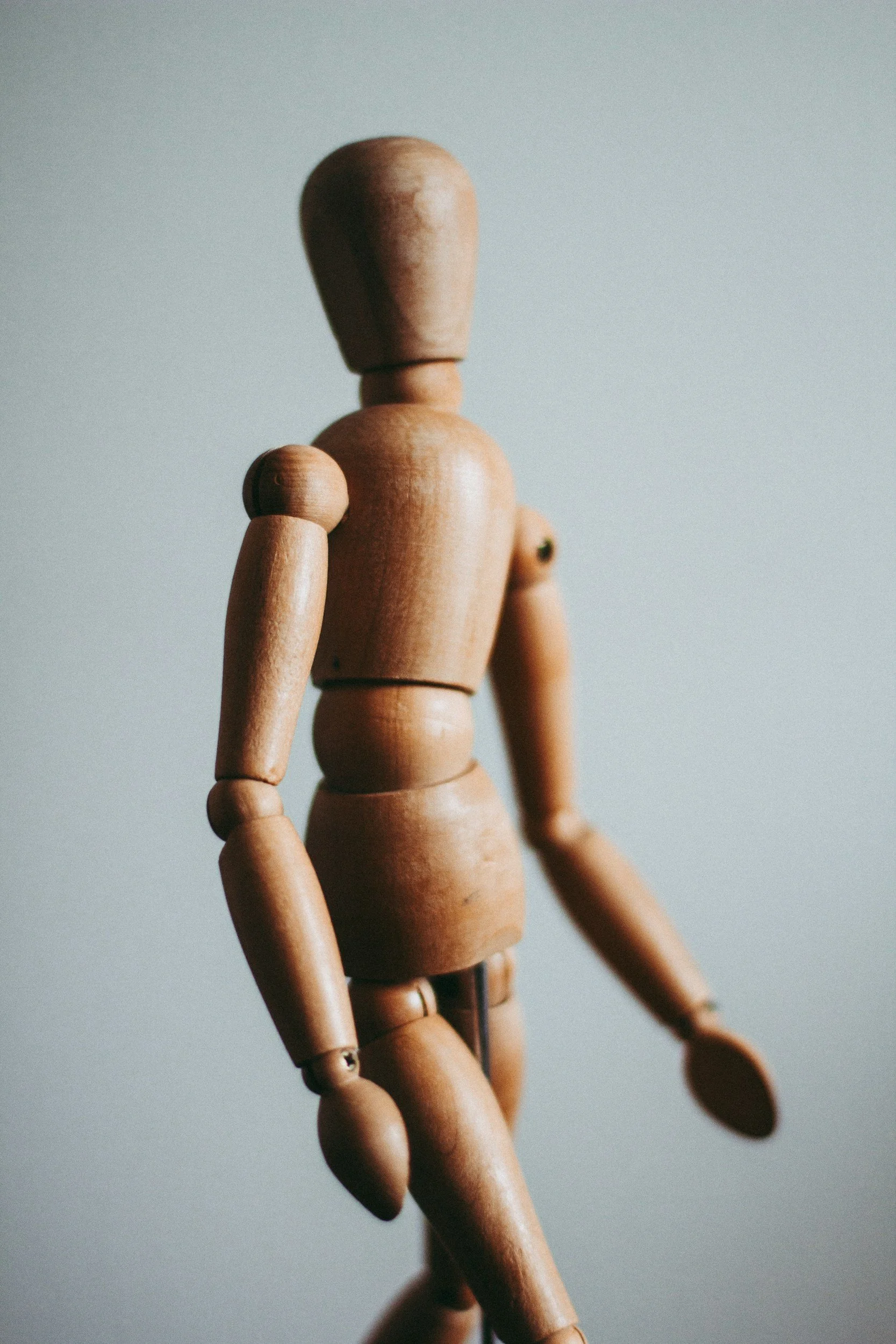
Part of our 10 for when series:
BODY IMAGE
How we see ourselves is rarely the full picture, and for many of us, building a healthier relationship with our bodies is an ongoing journey. Here are ten things to return to when body image gets hard.
Body Image is Much More Than How We Look
According to the National Eating Disorder Association, body image is defined as: the thoughts, perceptions, attitudes, feelings, and behaviors around one’s physical appearance. It also includes how one senses and controls their body as they move and how one physically experiences one’s body.
Essentially our body image is created in our brain based on what we physically see and feel, as well as the story we develop around why we look the way we do. This story can be based on our attitudes and feelings that were established when we were very young and continue to evolve as we age.
Our brains, while extremely useful — we need them to be alive — are often unreliable. Our memories, thoughts, perceptions, and judgements are created in our brains based on the information we are receiving, and how our brains process that information. So it makes sense that our body image can easily be distorted.
10 for When is a monthly series dedicated to one mental health topic at a time, offering ten practical resources you can save, share, and return to whenever you need them most.
This month’s focus: BODY IMAGE
Developing Our Body Image
How many times have you heard someone say they looked in the mirror and were satisfied, only to see a photo of themselves later and wonder how they could have ever left the house? Or seen someone try on an outfit they previously loved but now hate the way it looks? Have you ever heard someone speaking negatively about their body and then find out a few days later that they got their period and no longer feel that way? How many of these situations have you experienced yourself? These experiences are extremely common and highlight how our body image changes based on reflections, hormones, nutrition, and our mental state.
Our body image is also influenced by societal and cultural expectations. In just the 21st century, we’ve lived through a flip-book of ever-changing beauty standards — from glamorizing dangerously low weights and diets, fake tans, bigger butts and lips, botox and fillers, to the recent Ozempic craze and a wide array of body shaming.
Body dissatisfaction and body dysmorphia can lead to very serious physical and mental health issues like anxiety, depression, suicidal ideation, social isolation, obsessive-compulsive behaviors, disordered eating and dieting, eating disorders, and supplement and steroid abuse. Additionally some people choose to have dangerous cosmetic procedures, sometimes leading to financial strain, and relationship problems. But mMaintaining a positive body image can be extremely challenging.
Shifting the Focus - From Form to Function
Thankfully it hasn't all been bad — the body positivity movement has allowed many to learn how to combat that negative self-talk, focusing on self-love and acceptance. These days we see more focus on female strength and empowerment, a deeper look at what masculinity means, and we’ve seen a gradual move towards authenticity.
While the body positivity movement has been beneficial and had good intentions, we’ve learned more since then and now seem to be moving away from body positivity towards body neutrality. Unlike body positivity, body neutrality shifts the focus from appearance to functionality, and highlights our self-worth.
Increasing or simply maintaining our self-worth separate from our appearance does not mean we aren’t allowed to have great style, wear makeup, or enjoy pretty or trendy things. It means we aim to feel good independent of how we look – instead of only looking good independent of how we feel. But for those who have struggled or are struggling with body image, this is a journey, and one where we want to focus on progress over perfection. Healing is rarely linear, and it always happens over time.
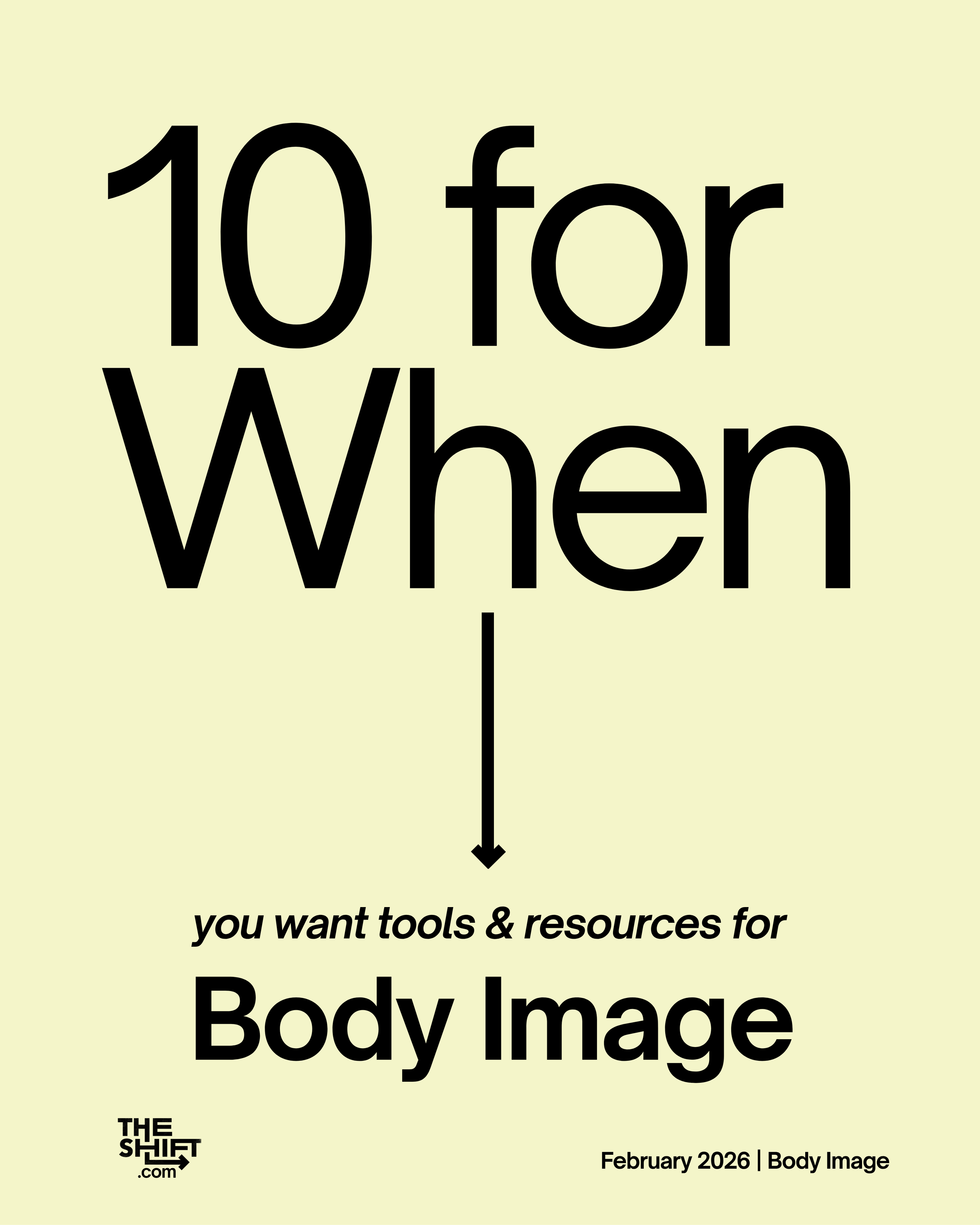
if you’re struggling with BODY IMAGE, view our list of 10 for When.
10 for When is your go-to swipe sheet of tools, resources, and support for the moments when the hard stuff shows up, because it will. Consider this your standing invitation to be a little more ready than you were yesterday.
Disclaimer: This blog is not meant as professional advice or counseling. If you are in emotional distress or experiencing thoughts of harm to yourself or others, help is available 24/7:
If in crisis, call 988
Text HELLO to 741741 to connect with a Crisis Text Line counselor
Call the National Suicide Prevention Lifeline:
1–800–273–8255 (TALK) Spanish & English
Deaf & Hard of Hearing TTY 800–799–4889
Call 911
If you need mental health treatment but cannot afford it, contact Rise Above The Disorder, a 501(c)(3) non-profit dedicated to making mental health care accessible to everyone: YouAreRAD.org