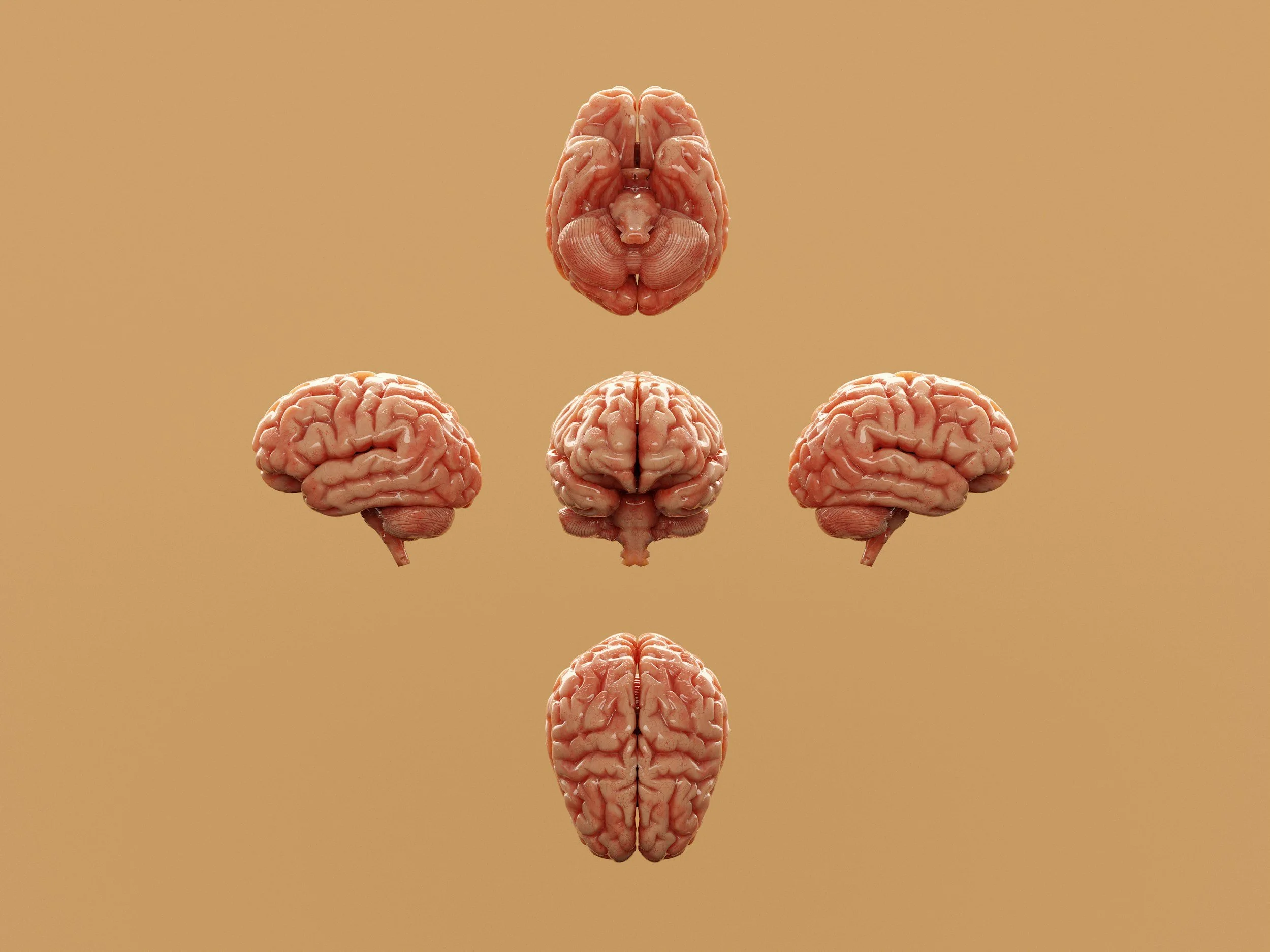
Part of our 10 for when series:
neuro-diversity
For anyone looking for tools, language, and support related to neurodivergence — for yourself or someone else.
What Is Neurodivergence? Understanding How We Think (And Why It Matters)
Neurodivergence isn’t just someone else’s story — it might be yours too.
Human brains vary more than most of us are taught to expect. While many neurodevelopmental conditions have been studied for decades, our broader understanding of neurodiversity as a form of natural human variation has grown significantly in recent years. No matter where you are in understanding your own mind, there is always more to learn about how we think, process, and experience the world.
10 for When is a monthly series dedicated to one mental health topic at a time, offering ten practical resources you can save, share, and return to whenever you need them most.
This month’s focus: NEURODIVERSITY
A Story About Two Sisters — and Two Different Learning Profiles
This is a story about two sisters, Rebecca and Tracy, and their very different experiences in school.
Rebecca, the younger sister, had historically done well academically. She earned strong grades and was generally able to keep up with coursework without significant difficulty.
Tracy had a more challenging experience. Tasks that Rebecca completed quickly often took Tracy considerably longer. Processing written material and keeping pace in school required sustained effort and support.
Still, Tracy persevered. After high school she headed to UC Santa Cruz where she was able to graduate with her bachelor's degree four years later. Rebecca, expecting a similar path, enrolled at San Diego State University. But her experience shifted. Despite prior academic success, she began to struggle significantly and ultimately left school without graduating, and with a 1.8 GPA—confused and unsure why her performance had changed so drastically.
Both sisters were capable and motivated. Yet their outcomes diverged.
One important factor: both were neurodivergent — but only one had been identified and supported.
The Role of Diagnosis and Support
Tracy was diagnosed with dyslexia in elementary school. Because of that diagnosis, she had access to academic accommodations and structured support throughout her education. Her path was not easy, but it was on solid ground.
Rebecca spent years trying to understand her challenges without a framework. She changed schools, increased effort, and internalized her struggles, making her path much more unstable.
It wasn’t until her 30s that she was diagnosed with ADHD.
With that diagnosis came context. Patterns that once felt like personal failures became more understandable as differences in attention, executive functioning, and cognitive processing.
What Is Neurodivergence?
Neurodiversity refers to the natural variation in human brain function and cognition. A person is often described as neurodivergent when their neurological development or functioning differs from what is statistically typical.
Commonly recognized neurodevelopmental conditions associated with neurodivergence include:
Autism spectrum condition
Attention-Deficit/Hyperactivity Disorder (ADHD)
Dyslexia
Dyscalculia
Dyspraxia (Developmental Coordination Disorder)
Dysgraphia
Obsessive-Compulsive Disorder (OCD)
Tourette’s Syndrome
There are also additional traits and differences that are sometimes included in broader discussions of neurodiversity, though they may be less consistently classified as standalone clinical diagnoses:
Sensory processing differences
Hyperlexia
Synesthesia
Meares–Irlen Syndrome (a more debated classification)
These differences are not mutually exclusive and can present in varied ways across individuals.
Challenges—and Variability in Strengths
Neurodivergent individuals often navigate systems — especially in education and work — that are designed with neurotypical expectations in mind. This mismatch can create barriers related to attention, processing speed, organization, and sensory experience.
At the same time, many neurodivergent people report strengths in areas such as:
Creative and divergent thinking
Pattern recognition
Problem-solving approaches
Deep focus in areas of interest
For example, some individuals with ADHD experience periods of intense, sustained attention — often referred to as hyperfocus — particularly when engaged in tasks that are intrinsically interesting or rewarding. This experience is variable and does not occur uniformly across all individuals with ADHD.
Why Understanding How Your Brain Works Matters
Developing an understanding of your cognitive profile, whether through formal diagnosis or personal insight, can support:
More effective learning and working strategies
Clearer communication of needs in relationships and environments
Reduced self-blame through increased context and self-awareness
Everyday points of friction — differences in organization, communication styles, or routines — can often be better understood through the lens of cognitive diversity.
In many cases, it is not a question of right or wrong, but of difference in how information is processed and acted upon.
We’re Still Learning
Understanding how we think — how we process information, regulate attention, and relate to others — is an ongoing process, both individually and collectively.
Research continues to evolve. Language continues to shift. And many people reach understanding at different stages of life.
So whether you are actively struggling, newly questioning, or simply expanding your awareness, this is an open invitation to keep learning.
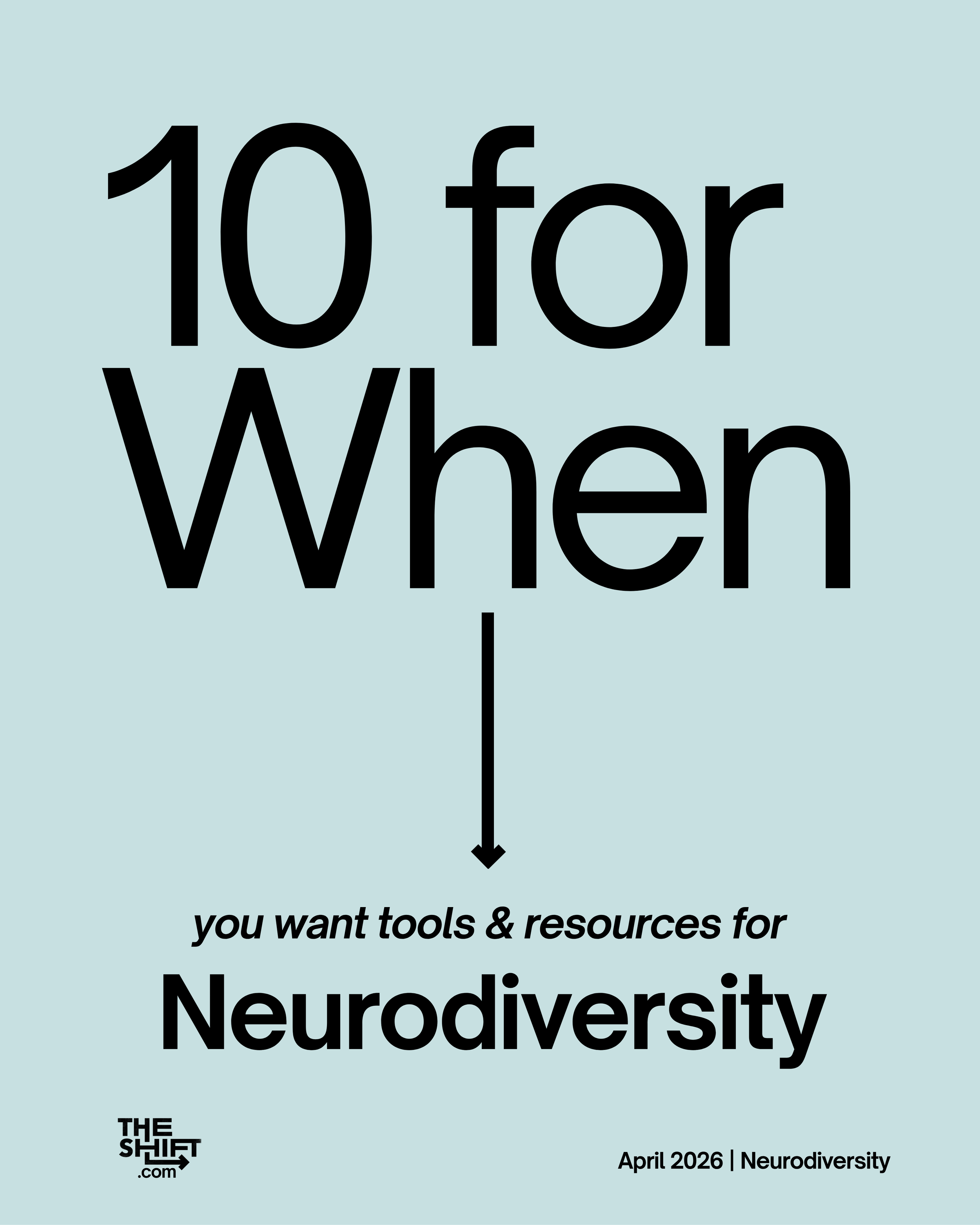
if you’re struggling with NEURODIVERSITY, view our list of 10 for When.
10 for When is your go-to swipe sheet of tools, resources, and support for the moments when the hard stuff shows up, because it will. Consider this your standing invitation to be a little more ready than you were yesterday.
Disclaimer: This blog is not meant as professional advice or counseling. If you are in emotional distress or experiencing thoughts of harm to yourself or others, help is available 24/7:
If in crisis, call 988
Text HELLO to 741741 to connect with a Crisis Text Line counselor
Call the National Suicide Prevention Lifeline:
1–800–273–8255 (TALK) Spanish & English
Deaf & Hard of Hearing TTY 800–799–4889
Call 911
If you need mental health treatment but cannot afford it, contact Rise Above The Disorder, a 501(c)(3) non-profit dedicated to making mental health care accessible to everyone: YouAreRAD.org